Hello Barbie Font: A Web Designer’s Review for Digital Branding
While working on a new landing page for a lifestyle coaching brand, I wanted a typeface that felt personal yet polished. That’s when I tested Hello Barbie in the hero section. The result? A soft, elegant headline that immediately brought warmth and creative flair to the design. As a web designer, I’m always looking for fonts that balance aesthetics with usability, and Hello Barbie definitely caught my attention.
What Is Hello Barbie and Why It Stands Out
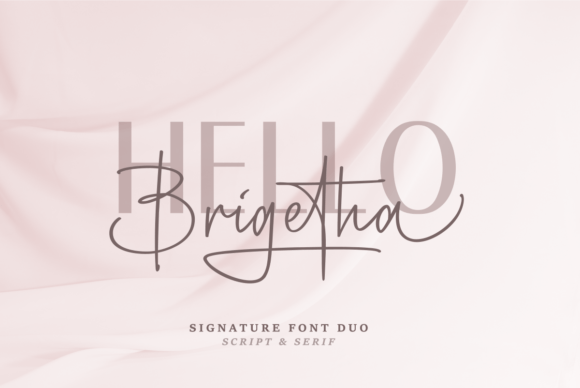
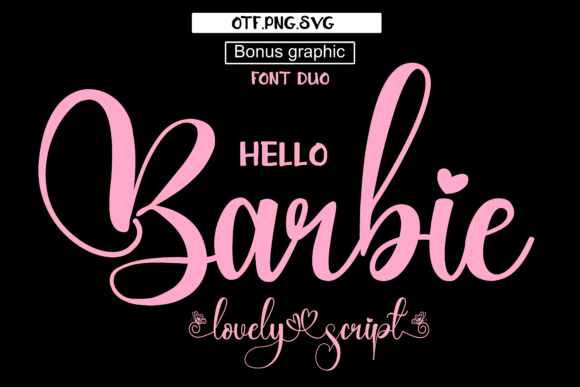
Hello Barbie is a flowing, handwritten script font that blends a modern calligraphic touch with classic elegance. It includes varied baselines, smooth curves, and rich glyph alternatives that give it a sense of movement and personality. This makes it feel less like a standard font and more like a custom lettering piece tailored to your brand.
From a digital design perspective, its character comes through best when used in display roles — like headlines, banners, and callouts. It’s not a font for long-form reading, but as a decorative typeface, it brings a unique charm to web layouts. It fits well within the Script Amp category, which is often used for expressive, visual typography in web design.
Testing Hello Barbie in Real Web Layouts
I first placed Hello Barbie in the hero section of a coaching website redesign. The client wanted a soft, inviting tone, and the font complemented the pastel color palette and organic shapes of the layout. I used it for the main headline: “Discover Your Purpose,” and paired it with a clean sans serif for the body copy. The contrast worked beautifully.
On mobile, the font scaled well without losing legibility. I made sure to test it across devices and found that it rendered clearly on both retina and standard displays. It also held up well when placed over a light image overlay — a common need for hero sections and promotional banners.
Best Use Cases for Hello Barbie in Web Design
Here’s where Hello Barbie truly shines:
- Landing page headlines – Perfect for drawing attention without being overwhelming.
- Hero banners – Works well when layered over soft textures or light gradients.
- Call-to-action buttons – Especially effective in short, inviting phrases like “Start Now” or “Learn More.”
- Logo or brand taglines – Adds a personal, hand-crafted touch to digital brand kits.
- Blog headers and featured quotes – Gives editorial-style pages a refined look.
It’s also great for boutique online stores and creative portfolios where brand personality matters. I used it for a boutique wellness brand’s homepage, and it helped create a cohesive, elegant look across the site’s visual elements.
Readability Considerations for Web Designers
While Hello Barbie is stunning, it’s important to use it thoughtfully. Since it’s a decorative script, it’s not ideal for:
- Body text – The flowing nature can make it hard to read at smaller sizes.
- Navigation menus – May reduce scannability and accessibility.
- Forms and dashboards – Not suited for interface-heavy sections.
I recommend using Hello Barbie at larger sizes — 24px and up — especially when used for section headers or buttons. Also, ensure there’s enough contrast between the font and background, especially when placing it over images or textured backgrounds.
Font Pairing and Brand Consistency
One of the most important aspects of using a script font like Hello Barbie is how it pairs with other typefaces. I found that pairing it with a simple sans serif like Open Sans or Lato created a clean, modern contrast. For a more editorial feel, I also tested it with a serif font like Playfair Display, and the combination gave the layout a more refined, magazine-like quality.
Consistency is key in brand identity, and Hello Barbie helps establish a distinctive voice. If you're using it across multiple pages or campaigns, make sure to keep the weight and color consistent. I recommend defining a clear typography system in your design tool or CSS to maintain that uniformity.
Technical Notes and Licensing
When using Hello Barbie in web projects, check the available webfont formats. Most script fonts come with .woff, .ttf, and .eot versions, which are compatible with modern browsers. Also, make sure to verify multilingual support if your site targets a global audience.
Licensing is another important factor. If you're using Hello Barbie in a client project or online store, confirm that the license allows for commercial use and web embedding. Some premium fonts require extended licenses for broader distribution, especially if you're building templates or downloadable brand kits.